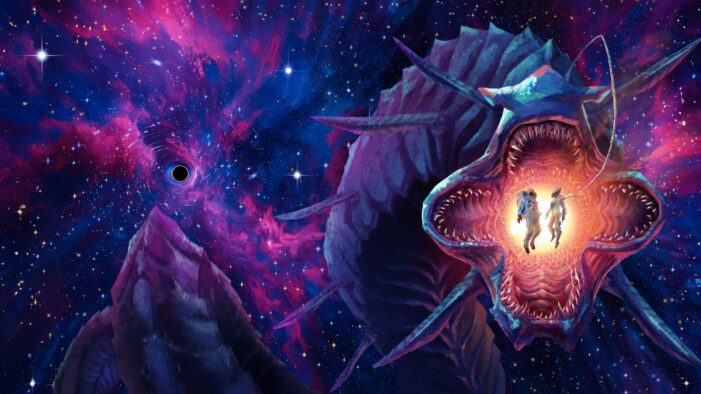
‘U are the Universe’ overturns the idea of space as salvation for mankind, putting at the centre an ‘accidental’ astronaut who faces the annihilation of the Earth with fatalism. The film, claustrophobic and predominantly focused on a single character, keeps the attention high until a striking finale.
The nuclear catastrophe is only the starting point for a tale about loneliness and the illusion of individualism. Human beings cannot survive alone, and although hope is the last to die, it is not enough.
Balancing humour and drama, Pavlo Ostrikov avoids simple citationism and weaves cultural references into an intimate and intense narrative.
In its apparent staticity, U are the Universe arouses profound emotions, confirming itself as a work of science fiction capable of leaving its mark.
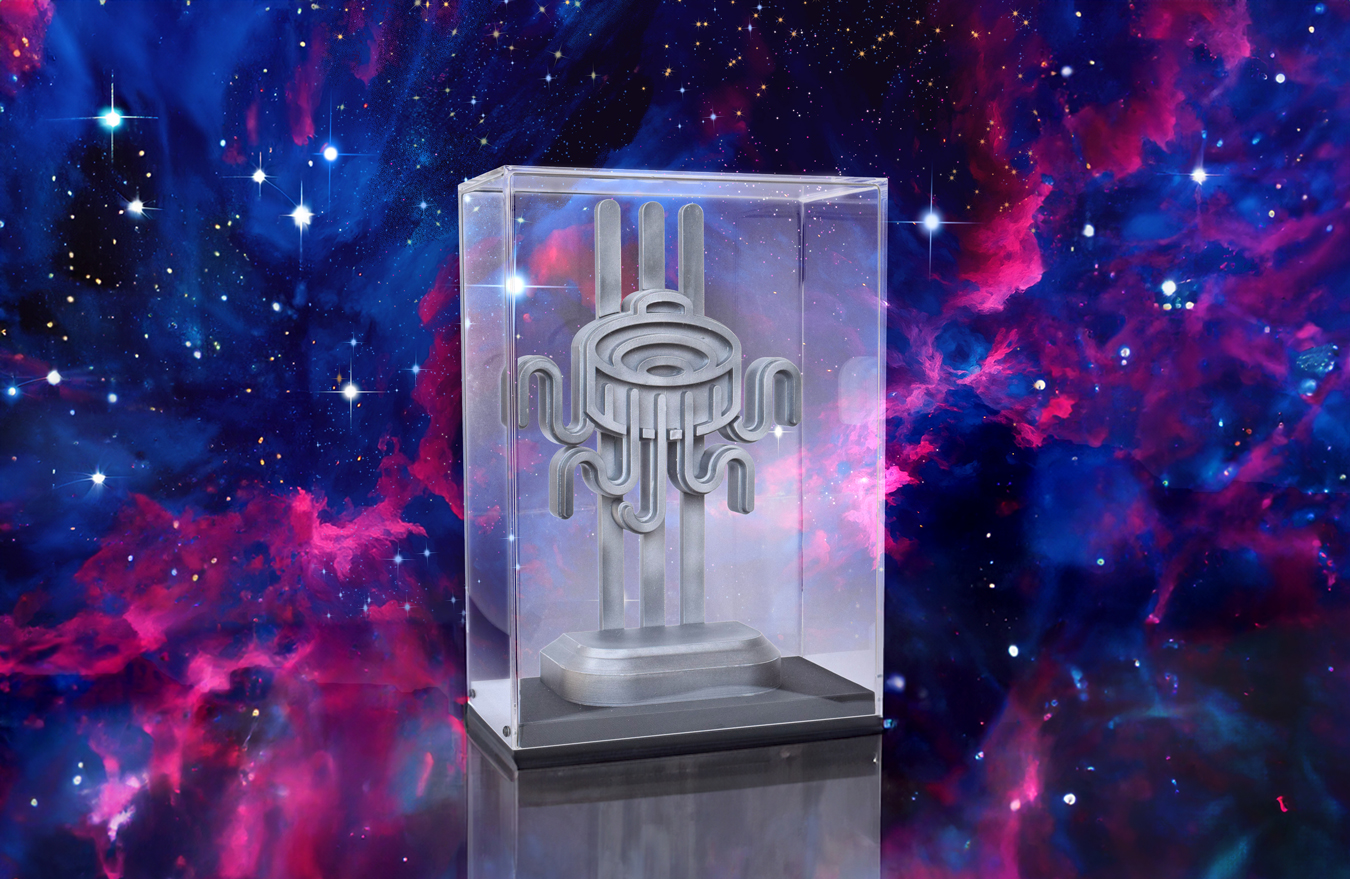
From the very start, Jérémie Périn’s Mars Express does not conceal its ambition. While the visual references to the sci-fi imaginary are striking (Terminator, Ghost in the Shell up to Blade Runner), the focus on the highly current theme of artificial intelligence, combined with broader topics such as social control, the right to one’s own subjectivity and the complex relationship between man and technology make this film more contemporary than ever. The combination of the refined anime aesthetic with an excellent European sci-fi animation, holds its own against the great films of René Laloux. With a narrative that follows in the footsteps of of European pulp comics and Hollywood neo-noir, Mars express is our clear winner of the third edition of the Extra sci-fi festival Verona.